Best Pre-Workout Foods for Maximum Performance
What you eat before training isn't just about having energy — it's about maximizing output, protecting muscle tissue, improving focus, and accelerating recovery. Most men either eat too little, eat the wrong things, or eat too close to training time. Here's how to fuel your sessions properly.
The Pre-Workout Window: Timing Matters
The ideal pre-workout meal is consumed 60–90 minutes before training. This gives your body time to digest, absorb key nutrients, and deliver glucose and amino acids to your muscles and bloodstream before you start working hard.
For early morning trainers who can't eat 90 minutes before — a smaller, faster-digesting option 20–30 minutes before training still outperforms training completely fasted for most strength and hypertrophy goals.
Carbohydrates: Your Primary Performance Fuel
Muscle glycogen — stored carbohydrate — is the primary fuel source for high-intensity resistance training and HIIT. Going into a workout with depleted glycogen is like trying to race with an empty fuel tank.
Best pre-workout carb sources:
- Oats — slow-release, steady energy, won't spike and crash
- White rice or rice cakes — fast-digesting, ideal if eating closer to training
- Banana — natural sugars + potassium for electrolyte balance
- Sweet potato — slow-release with micronutrient density
- Whole grain bread — practical, portable, effective
Aim for 30–60g of carbohydrates in your pre-workout meal, depending on body size and training intensity.
Protein: Protecting and Building Muscle
Including protein in your pre-workout meal helps stimulate muscle protein synthesis and provides amino acids that reduce muscle breakdown (catabolism) during training. Post-workout protein gets most of the attention, but pre-workout protein matters too.
Best pre-workout protein sources:
- Chicken breast or turkey — lean, easily digestible
- Greek yogurt — fast protein + convenient
- Eggs — complete amino acid profile, easily digested
- Cottage cheese — high in leucine, the primary trigger for muscle protein synthesis
- Whey protein shake — if short on time (30–40 min pre-workout)
Target 20–30g of protein in your pre-workout meal. You don't need more — excess protein pre-workout can cause GI discomfort during training.
What to Avoid Before Training
Certain foods will actively undermine your performance if eaten too close to training:
- High-fat meals — fat slows gastric emptying significantly; a heavy steak or butter-rich meal 60 minutes before training will sit in your stomach and compete with blood flow your muscles need
- High-fiber vegetables in large amounts (bloating, cramping)
- Alcohol — even small amounts impair muscle fiber recruitment, coordination, and recovery
- Very high sugar foods (candy, soda) — cause rapid spike then crash during training
Sample Pre-Workout Meals by Training Time
Training at 7am (early morning):
- Option A: 1 banana + 1 scoop whey protein in water (20 min before)
- Option B: 2 rice cakes + 200g Greek yogurt (30–40 min before)
Training at 12pm (lunchtime):
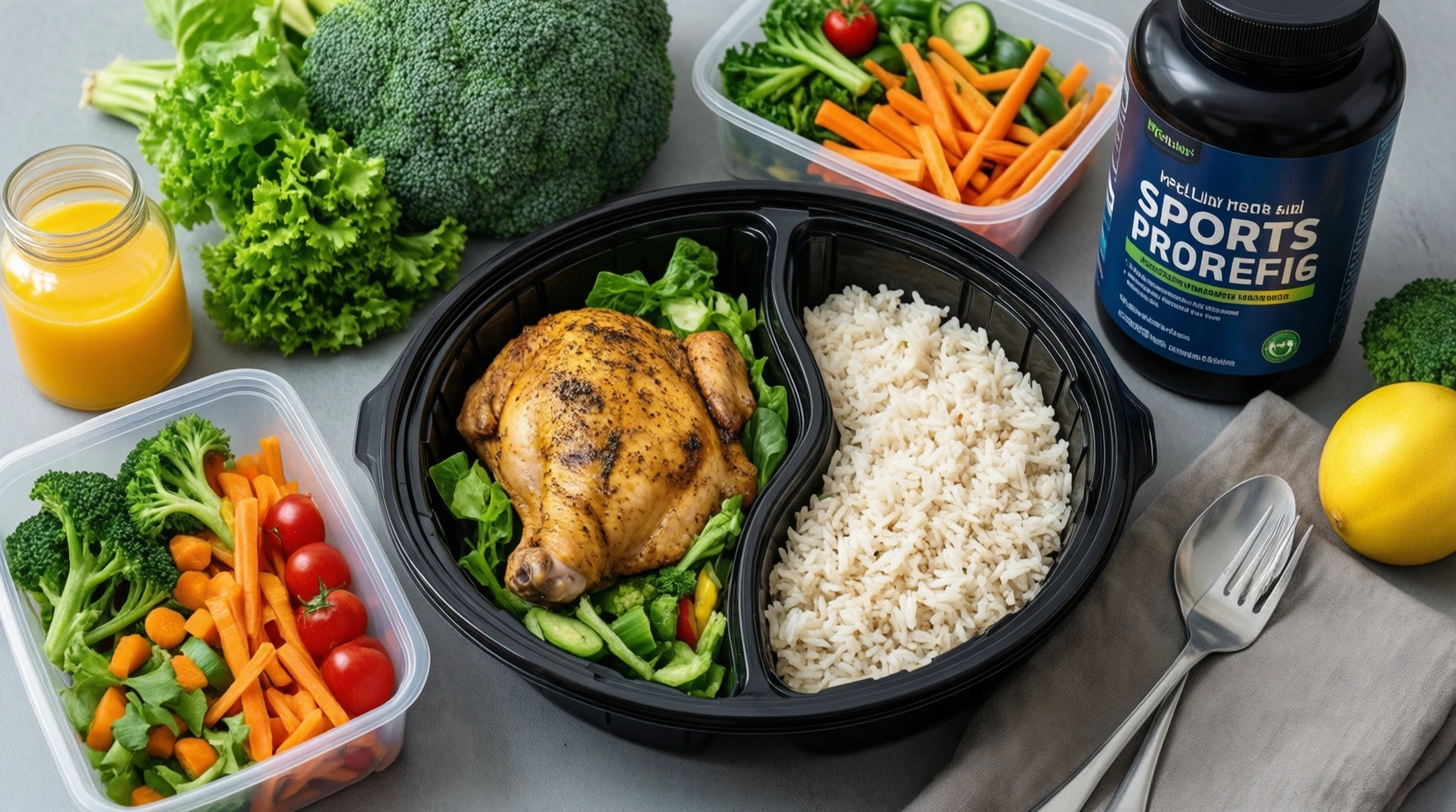
- Option A: 150g chicken breast + 150g white rice + small salad (90 min before)
- Option B: Large bowl of oats with protein powder and banana (60 min before)
Training at 6pm (after work):
- Option A: 3 eggs + 2 slices whole grain toast + small portion of sweet potato (90 min before)
- Option B: 200g cottage cheese + 50g oats + fruit (60 min before)
Hydration: The Most Overlooked Variable
Even mild dehydration (2% of body weight) measurably reduces strength, endurance, and cognitive focus during training. Arriving at the gym already dehydrated is one of the most common — and easily preventable — performance mistakes men make.
Practical guideline: drink 400–600ml of water in the 60–90 minutes before training. If training lasts longer than 60 minutes or involves heavy sweating, add a pinch of salt or an electrolyte tablet to your water to maintain sodium balance.
The bottom line: Pre-workout nutrition doesn't need to be complicated. Moderate carbs, moderate protein, low fat, adequate hydration — eaten 60–90 minutes before training. Get this right consistently, and you'll notice the difference in every session.
Want a full nutrition plan built around your training schedule?
Book a Free Consultation →